
Weekly Blog Posts
Here, you can access the latest market updates to keep your investments on track, gain valuable insights into Social Security to maximize your benefits, and receive expert tips on retirement planning.
Our resources will empower you to make informed decisions and secure a financially sound retirement.
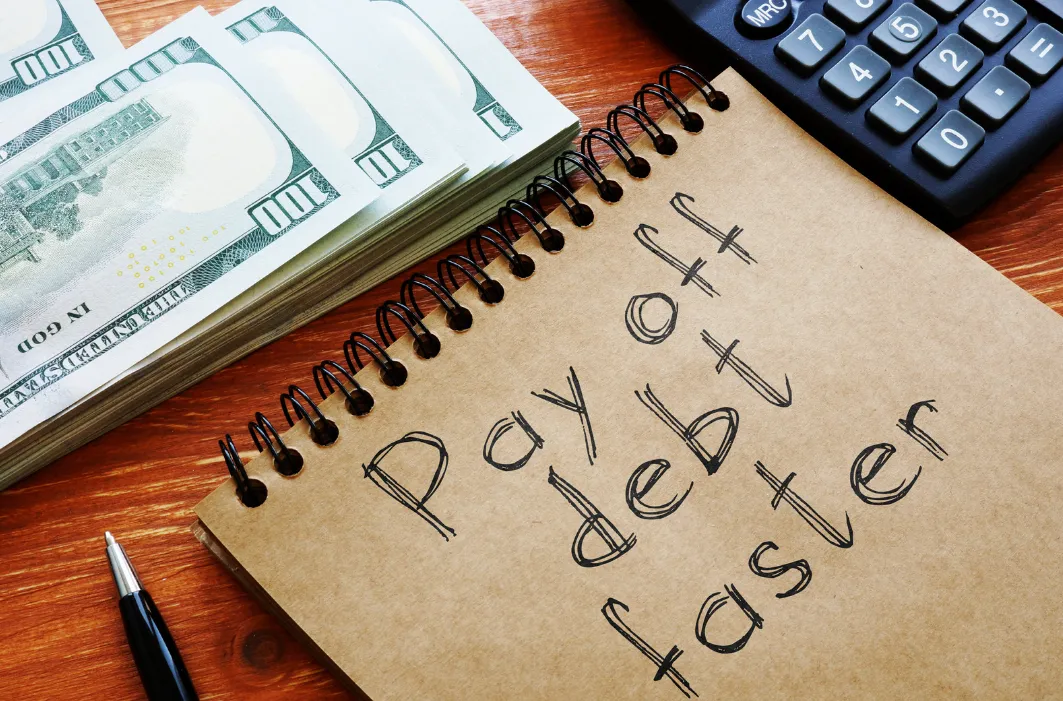
Debt Avalanche vs. Debt Snowball: What's the Difference?
When it comes to paying off debt, there isn't a one-size-fits-all solution. Two popular repayment strategies often debated are the debt avalanche and the debt snowball methods. Both are designed to help you get out of debt faster than simply making minimum payments, but each works in different ways. Here's a breakdown of how each method works, their pros and cons, and tips to help you decide which is best for your financial situation.
What Is the Debt Avalanche Method?
The debt avalanche method prioritizes paying off debts with the highest interest rate first. Here’s how it works:
Make minimum payments on all your debts.
Use any extra funds to pay as much as possible toward the debt with the highest interest rate.
Once that debt is paid off, shift your focus to the next debt with the highest interest rate, and repeat the process until all debts are gone.
Benefits of the Debt Avalanche Method:
Saves Money on Interest: By tackling high-interest debts first, you’ll pay less interest overall.
Faster Payoff Timeline: You’ll eliminate costly debts quicker, freeing up funds to tackle the remaining balances.
Drawbacks of the Debt Avalanche Method:
Requires Discipline: Progress might feel slow at first, especially if your highest-interest debts also have large balances.
Less Immediate Satisfaction: If you crave seeing quick wins, this method might not be as motivating.
What Is the Debt Snowball Method?
The debt snowball method focuses on building momentum by paying off the smallest debt balances first, regardless of their interest rates. Here's how it works:
Make minimum payments on all your debts.
Allocate any extra money toward paying off the smallest debt balance.
Once the smallest debt is paid off, apply the extra funds to the next smallest balance, and so on, until all debts are paid.
Benefits of the Debt Snowball Method:
Boosts Motivation: Quick wins create a sense of accomplishment, which can keep you motivated to continue.
Simple and Rewarding: Easy to stick with, especially if you find financial change overwhelming.
Drawbacks of the Debt Snowball Method:
May Cost More Overall: Paying off smaller balances first means high-interest debts linger longer, resulting in more interest paid over time.
Might Take Longer to Pay Everything Off Completely.
Which Strategy Should You Choose?
The best repayment method depends on your personality, financial situation, and what drives you to stay consistent. Ask yourself these questions to decide:
Do you prioritize saving money on interest?
If yes, the debt avalanche method will save you the most money in the long run. It’s a great option if you’re more motivated by logical, cost-cutting strategies than emotional milestones.Do you need quick wins to stay motivated?
If seeing results quickly helps you stick to your plan, go for the debt snowball method. Paying off smaller debts first provides an emotional boost that can push you to keep going.What does your debt look like?
If most of your debt has similar interest rates, the snowball method may not cost significantly more.
If you’re dealing with high-interest credit card debt, the avalanche method will have a bigger impact on reducing your overall costs.
Can you stick to the plan?
Consistency is key no matter which method you choose. Pick the one that feels manageable and sustainable for your lifestyle.
Combining the Two Methods
If you’re torn between the two strategies, you can customize your approach. For instance:
Start with the snowball method to build momentum.
After a few quick wins, shift to the avalanche method to save on interest and attack the remaining debts.
The Bottom Line
Choosing between the debt avalanche and debt snowball methods ultimately comes down to what keeps you motivated and helps you stay consistent. The avalanche method is the optimal choice for saving the most money over time, while the snowball method can help you feel progress early on and stick with your plan. Remember, there’s no wrong choice if it gets you closer to your goal of becoming debt-free. The best strategy is the one you’ll stick with, so pick the approach that works for you and take the first step today!
